The Strategic Power of Design
Design serves as a strategic business tool when properly aligned with organizational objectives. Too often, companies treat design as decoration rather than recognizing its power to solve problems and drive growth. This disconnect between creative work and business strategy represents a significant missed opportunity for organizations seeking a competitive advantage.
Bridging the Gap Between Aesthetics and Metrics
The challenge lies in bridging the gap between aesthetic choices and business metrics. Many design projects begin with visual exploration before establishing clear success criteria. This approach inevitably leads to subjective debates about preferences rather than objective discussions about performance. Strategic design thinking reverses this process by starting with business goals and working backward to visual solutions. What is your message? Who does your business want to reach? What is the tone of your messaging, and how does it affect your customers?
Understanding Your Business Objectives
Whether you aim to increase brand recognition, improve conversion rates, enhance customer engagement, streamline communications, build market credibility, support premium positioning, or drive qualified leads, each goal requires different design approaches and success metrics. The key is establishing these objectives before any creative work begins. This can be done simply by sitting down and mapping out your goals. Know what you want to achieve, and discuss how you want to measure them.
Different Approaches for Different Goals
Consider how a website redesign focused on conversion optimization differs fundamentally from one aimed at brand building. The conversion-focused project examines user behavior patterns, analyzes friction points in, say, the purchase journey, and tests specific design elements against performance data. Meanwhile, a brand-building redesign prioritizes emotional connection, storytelling, and creating memorable experiences that reinforce positioning. Both approaches require excellence in execution, but the strategic direction shapes every decision along the way.
The Role of Research in Design Strategy
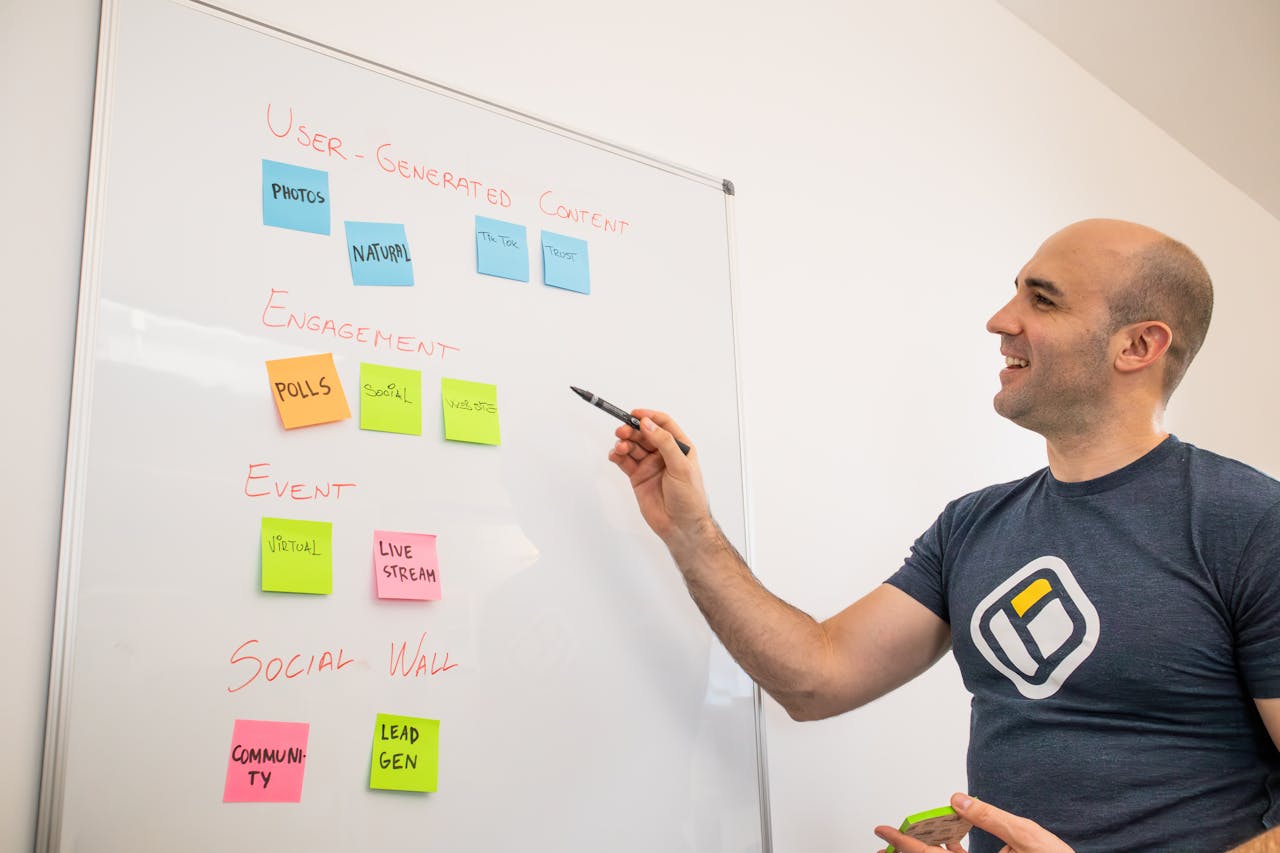
Research becomes essential when connecting design to business outcomes. Competitor analysis reveals market positioning opportunities while user testing validates design decisions against real-world behavior. This evidence-based approach ensures design choices support your business objectives.
Measuring Design Impact
By tracking relevant metrics and gathering continuous feedback, organizations can begin to understand how design impacts business performance. This data-driven approach enables optimization over time, ensuring design investments continue delivering returns as markets and audiences evolve. Regular assessment also prevents design from becoming stale or disconnected from current business needs.
Integrating Design Throughout Operations
The most successful organizations integrate design thinking throughout their operations rather than treating it as an isolated function. They recognize that every visual touchpoint shapes customer perception and influences business outcomes. From product interfaces to marketing materials, each design decision either supports or detracts from organizational goals. This holistic view ensures consistency while maximizing design’s strategic impact.
Taking Action
Want to explore how strategic design can accelerate your business growth? Contact us to discuss how thoughtful, results-driven solutions can help achieve your specific objectives. We focus on creating design that works as hard as you do, delivering measurable outcomes while maintaining the highest standards of creative excellence.
Remember: Effective design solves business problems through visual solutions that connect with audiences and drive action. Focus on strategic alignment rather than surface-level aesthetics to unlock design’s full potential for your organization.
Article by Pinion Designs
Conference Table Photo by Tima Miroshnichenko
Whiteboard Photo by Walls.io